How to Use Saw Blades for Precise Stone Cutting
In stone processing, precise cutting is the critical step that determines the quality of the finished product. Choose the right diamond cutting blade and master the correct technique, and your cutting results will improve significantly. However, many operators experience chipped edges, rough surfaces, or even material waste due to improper tool selection or technique. This article explains how to achieve precise stone cutting with saw blades.
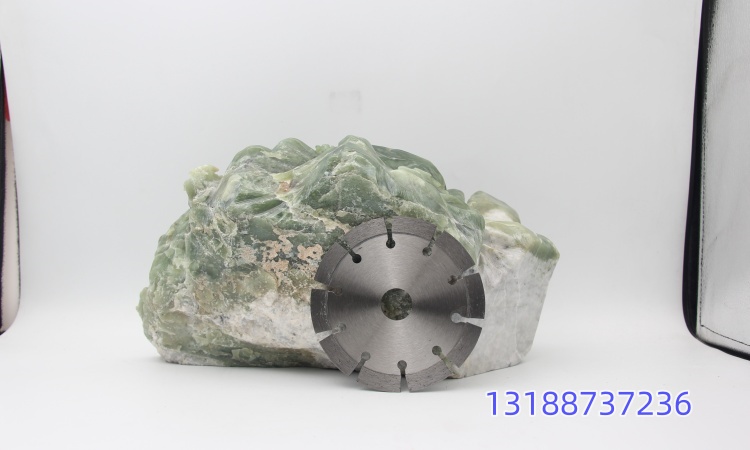
Choosing the Right Saw Blade Is the Foundation of Precise Cutting
Stone hardness varies considerably — granite rates 6-7 on the Mohs scale, while marble only reaches 3-5. The diamond saw blade segment formulation and tooth design must match the cutting target. For granite, choose continuous-rim or narrow-slot hot-pressed blades; for marble, wide-slot cold-pressed blades work well. A mismatch in segment hardness means either the blade won’t cut or the surface will be rough.
Blade diameter must also match your cutting depth. A 4-inch blade has a maximum cutting depth of about 25mm, 7-inch about 45mm, and 10-inch about 65mm. Insufficient depth means multiple passes, which naturally reduces precision.
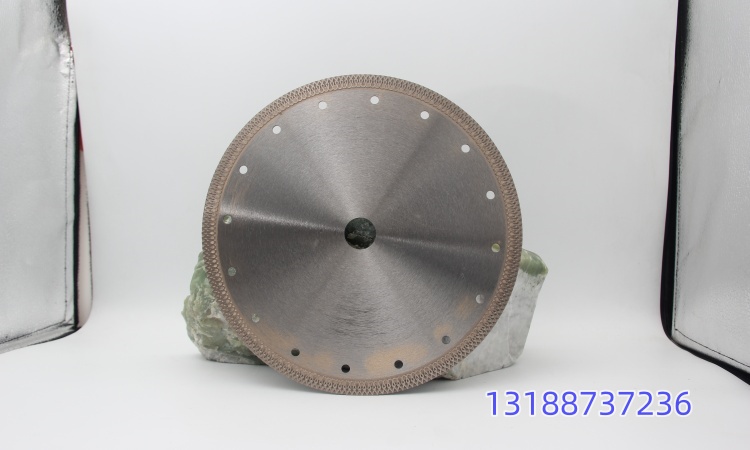
Preparation and Positioning Before Cutting
The first step in precise cutting is marking the line. Use a straightedge and marker to draw a clear, visible cutting line on the stone surface. When possible, use a cutting guide rail to prevent manual deviation.
Check that your Huada Jinkai diamond saw blade is securely mounted and concentric with the machine spindle. Eccentric mounting causes vibration during cutting, directly affecting surface precision. Run the machine briefly without load and observe any blade wobble.
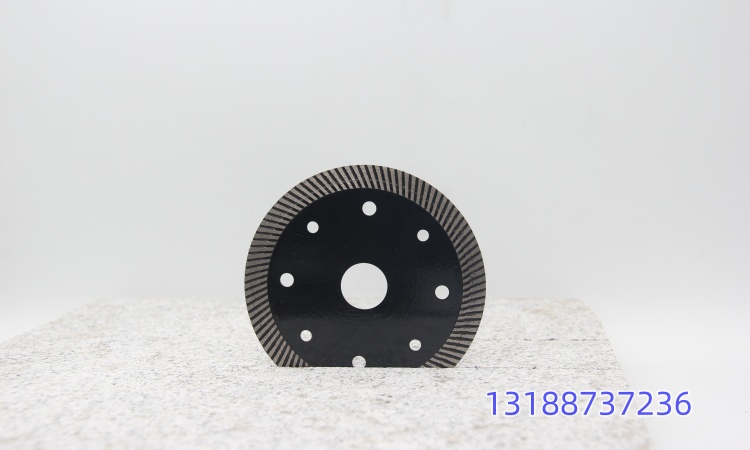
Key Techniques During Cutting Operations
1. Control feed rate. Faster is not better in stone cutting. Too fast, and the segments can’t grind properly, leaving saw-tooth patterns on the surface. Too slow causes localized overheating and accelerated wear. For granite, maintain a feed rate of 1-2 meters per minute; marble can be slightly faster.
2. Always use water cooling. Dry cutting generates excessive dust and heat, reducing both cutting precision and blade life. Wet cutting produces smoother surfaces and removes dust. A moderate water flow at the kerf is sufficient.
3. Avoid mid-cut pauses. Completing the cut in one pass is ideal. Pausing mid-cut leaves deep marks at the stop point, and resuming creates uneven surfaces. If you must stop, retract the blade and realign before continuing.
4. Slow down at the finish. When the stone is nearly cut through, reduce speed in the last few millimeters and hold the machine steady with both hands. This is where chipping most often occurs, as support on both sides suddenly changes.
Common Problems and Solutions
Angled cut surface — usually caused by eccentric blade mounting or an unsecured guide rail. Recalibrate and recheck.
Yellow or black discoloration — insufficient cooling causes localized overheating. Increase water flow or reduce feed rate.
Severe blade vibration — check whether the blade is badly worn or the flange is loose. Replace or tighten as needed.

FAQ
Q: Continuous rim or segmented blade for granite?
A: For precision cutting, continuous rim is recommended — slightly weaker debris removal but smoother surfaces. Segmented blades are better for rough cuts or thick slabs, offering superior cooling and debris clearance.
Q: Can a handheld cutter achieve precise cuts?
A: Yes, but only with a guide rail. Freehand precision is difficult to guarantee. A table saw is recommended for precision work.
Precise stone cutting comes down to three essentials: choose the right diamond saw blade, prepare thoroughly, and maintain steady control. Huada Jinkai specializes in diamond cutting tool R&D and production, offering blades in various specifications for different stone cutting needs. Contact us for inquiries.

Ginkgo
Ginkgo