In-Depth Analysis of Factors Affecting Diamond Saw Blade Pricing
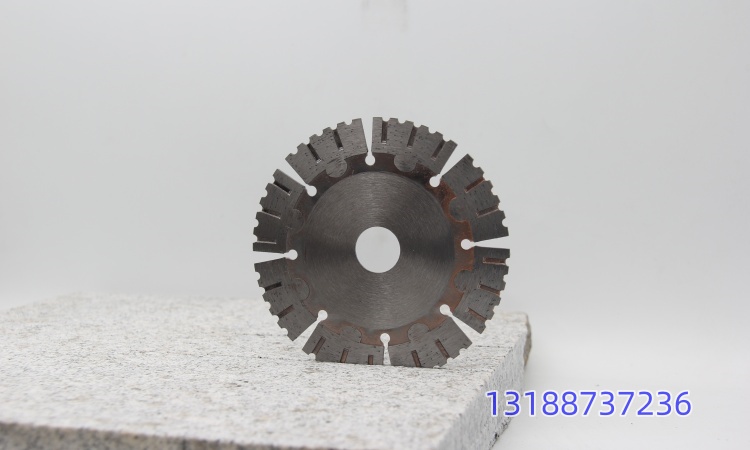
Understanding What Drives Diamond Saw Blade Costs
For buyers and distributors in the construction and stone processing sectors, understanding diamond saw blade pricing is essential for making informed procurement decisions. Whether you are a small contractor purchasing a few blades per month or a large wholesaler placing container-sized orders, the price of diamond saw blades is influenced by a complex interplay of material costs, manufacturing processes, and market dynamics.
At Shandong Huada Ginkgo New Material Co., Ltd., we have spent years optimizing our production to deliver competitively priced products without compromising on quality. In this article, we break down the key factors that determine diamond saw blade pricing so you can make better purchasing decisions.
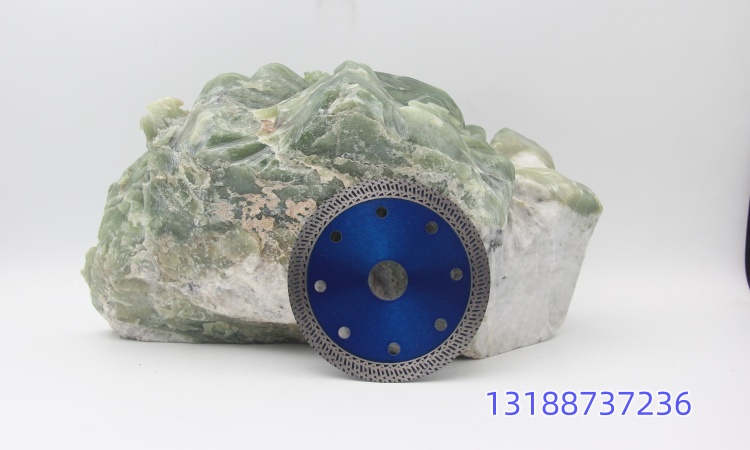
Raw Material Costs: The Foundation of Pricing
The single largest factor in diamond saw blade pricing is the cost of raw materials. Diamond saw blades consist of two main components: the steel core and the diamond-impregnated segments. High-quality synthetic diamonds (typically SMD or MBD grades) account for 30-50% of segment costs. When global diamond grit prices fluctuate — driven by supply chain disruptions or changes in synthetic diamond production capacity — blade manufacturers must adjust their pricing accordingly.
Similarly, the metal bond matrix that holds the diamond particles in place relies on cobalt, copper, iron, tin, and tungsten powders. Cobalt prices, in particular, are notoriously volatile as the metal is heavily used in battery production. A spike in cobalt prices can directly increase diamond saw blade pricing by 10-15% within a single quarter.
Steel core quality also matters. High-carbon steel cores that undergo precision leveling, tensioning, and dynamic balancing cost more but deliver superior performance: straighter cuts, less vibration, and longer service life. Cheaper blades often use lower-grade steel that may warp under high-speed rotation, leading to poor cutting results and safety risks.
Manufacturing Technology and Labor
The manufacturing method significantly impacts diamond saw blade pricing. Hot-pressed diamond blades, produced under high temperature and pressure, offer better diamond retention and longer life compared to cold-pressed alternatives. However, hot pressing requires more expensive equipment, higher energy consumption, and skilled operators — all of which add to the final cost.
Laser welding, a premium joining technique used for high-end blades, adds another cost layer. Laser-welded blades can be used for both wet and dry cutting applications without the risk of segment detachment. While more expensive to produce, these blades command higher market prices and provide better value for professional users.
Labor costs vary significantly by manufacturing location. Chinese manufacturers like Huada Ginkgo benefit from a mature industrial ecosystem and skilled workforce, allowing us to produce blades at competitive prices while maintaining international quality standards. This is a key reason why many global distributors source diamond blades from China.
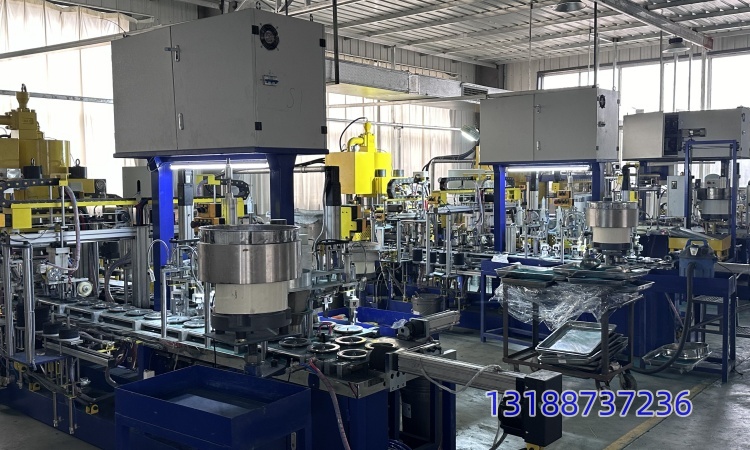
Product Specifications and Customization
Not all diamond blades are created equal, and specifications directly affect diamond saw blade pricing. Key specification variables include:
- Blade diameter: Larger blades (14-inch, 16-inch, 24-inch) require more raw materials and are more complex to manufacture than smaller 4-inch or 7-inch blades.
- Segment height: Taller segments (10mm, 12mm, 15mm) contain more diamond and metal bond, extending blade life but increasing material costs.
- Diamond concentration: Higher diamond concentration means better cutting performance and longer life, but also higher cost.
- Segment type: Segmented, continuous rim, and turbo rim designs each have different manufacturing complexities and cost structures.
- Custom specifications: OEM blades with custom diameters, arbor sizes, or special segment formulations typically carry a premium.
Order Volume and Economies of Scale
One of the most actionable factors in diamond saw blade pricing for buyers is order volume. Manufacturers benefit from economies of scale: larger production runs reduce per-unit costs through better material utilization, reduced setup time, and lower per-unit labor costs. A container order (typically 20-28 pallets) will have a significantly lower unit price than a pallet-sized order.
For businesses looking to optimize their procurement costs, consolidating orders and planning ahead for larger quarterly or annual purchases can yield substantial savings. Many manufacturers, including Huada Ginkgo, offer tiered pricing structures that reward larger commitments with better rates.
Certifications and Compliance Requirements
International certifications add another dimension to diamond saw blade pricing. Blades certified to EN 13236 (European safety standard), MPA (German materials testing), or ISO 9001 undergo additional testing and quality assurance processes. While certified blades cost more, they are mandatory for sales in regulated markets like the EU and can justify higher retail pricing.
Similarly, compliance with REACH and RoHS regulations for chemical substances in the European market requires careful formulation of metal bonds and may restrict certain cost-effective materials, pushing manufacturers toward more expensive alternatives.
Logistics, Tariffs, and Market Dynamics
After manufacturing, several external factors influence the final landed cost of diamond saw blade pricing. Sea freight rates, which have been highly volatile since 2020, can add 5-15% to the total cost depending on the destination. Import tariffs vary by country: some markets impose 2-5% duties while others may charge 10% or more on cutting tools.
Currency exchange rates between the RMB and USD or EUR also affect pricing for international buyers. A strengthening RMB makes Chinese exports more expensive in dollar terms, while a weaker RMB improves competitiveness. Savvy buyers monitor exchange rate trends and may time their purchases accordingly.
How to Evaluate Pricing as a Buyer
When evaluating diamond saw blade pricing, the lowest price is rarely the best value. Consider these factors holistically:
- Cost per cut: A blade that costs 30% less but lasts half as long actually costs more per cut.
- Consistency: Cheap blades often suffer from inconsistent quality between batches, leading to unpredictable performance.
- Supplier reliability: On-time delivery, responsive communication, and after-sales support add real value beyond the unit price.
- Testing and samples: Always test samples before committing to large orders — this is the only way to verify that the blade meets your specific needs.
At Shandong Huada Ginkgo, we pride ourselves on offering competitive pricing without cutting corners. Our integrated production process, from powder mixing to final packaging, gives us cost control advantages that we pass on to our customers. Whether you need standard catalog blades or custom OEM solutions, we are ready to help you find the right balance of quality and cost.
Shandong Huada Ginkgo New Material Co., Ltd.
We are a professional manufacturer specializing in diamond saw blades, stone cutting tools, and construction cutting solutions. With years of industry experience and advanced manufacturing facilities, we serve customers worldwide with high-quality products and reliable OEM/ODM services.
Contact: +86 13188737236 (WeChat available)

Ginkgo
Ginkgo