Can Diamond Saw Blades Lose Teeth During Use?
Many stone processing professionals have encountered segment loss or breakage when using diamond saw blades. Is this normal? Diamond saw blades can indeed experience tooth loss during use, but in most cases, it is not a product defect but caused by improper operation or mismatched selection. Let us break down the real causes and prevention methods.
1. Four Common Causes of Tooth Loss
1. Excessive Cutting Speed
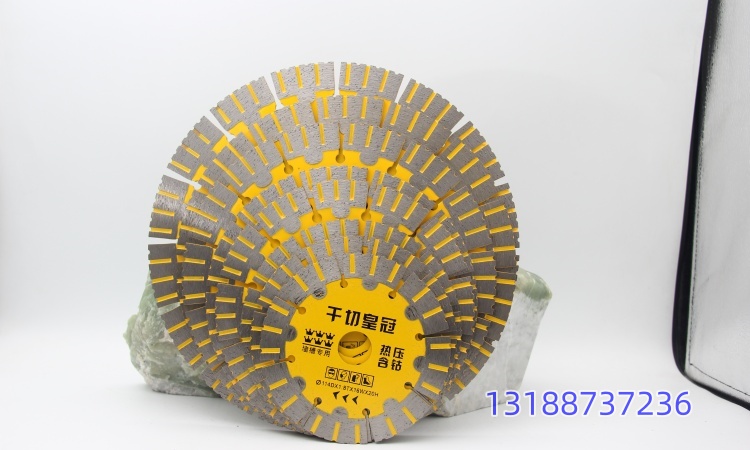
Feeding too fast creates impact forces that exceed the segment welding strength, causing segments to crack and fall off directly. This is especially critical when cutting granite and other hard stones.
2. Blade-Material Mismatch
Using a marble blade on concrete, or wet cutting with a dry-cut blade. The segment hardness and cutting method do not match the material, creating excessive localized stress. Huada Ginkgo reminds you: choosing the right blade model is the first step.
3. Insufficient Cooling
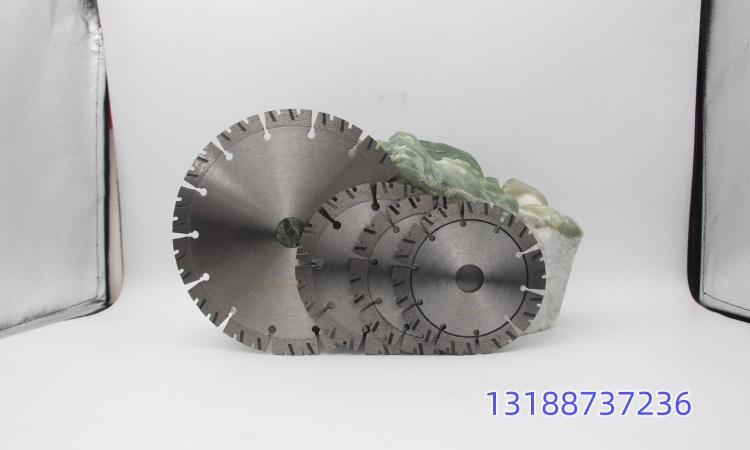
Prolonged dry cutting or inadequate water supply during wet cutting causes rapid temperature rise in segments. The solder softens and segments fall off naturally. Sustained high temperatures also oxidize the metal matrix, accelerating wear.
4. Improper Blade Installation
Loose flanges, mismatched washers, or excessive spindle runout cause the blade to wobble during rotation, concentrating stress on individual segments that bear several times the normal load.
2. Quality Issue or Operation Issue?
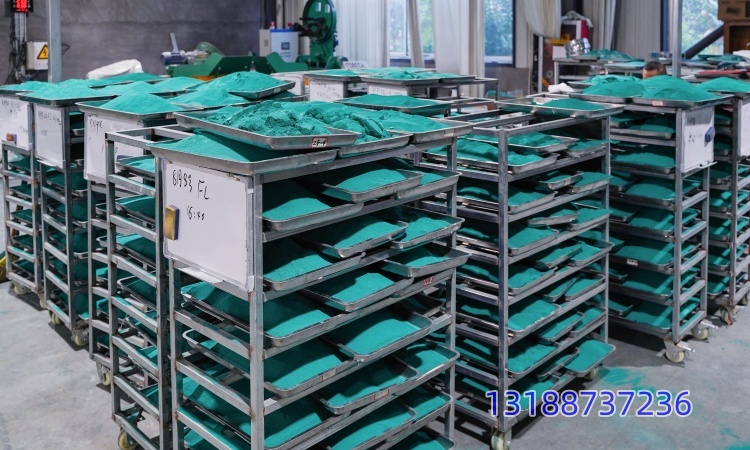
If only 1-2 segments fall off with visible impact marks at the break point, it is likely an operation issue. If multiple segments fall off simultaneously with clean, smooth weld surfaces, it may be a welding quality problem. Huada Ginkgo uses hot-pressed sintering technology for high segment-to-core bond strength.
3. Six Practical Tips to Prevent Tooth Loss
1. Match blade to material: Use granite-specific blades for granite, concrete blades for concrete
2. Control feed rate: Feed slowly on hard materials, letting segments cut rather than crash
3. Ensure adequate cooling: Wet cutting requires at least 2L/min water flow
4. Install properly: Tighten flanges, use matching washer diameters, keep spindle runout under 0.03mm
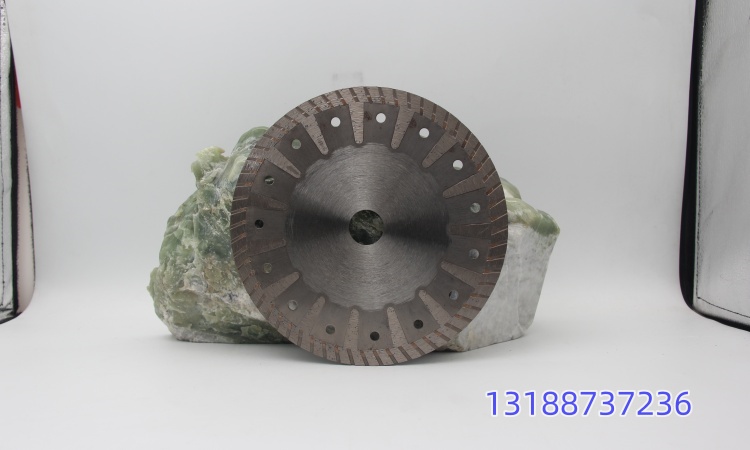
5. Avoid lateral force: Blades only handle radial force
6. Inspect regularly: Check segment wear and weld condition every 50 meters of cutting
4. Can You Continue Using a Blade After Tooth Loss?
Absolutely not. A blade with missing teeth has unbalanced rotation. Continued use amplifies vibration, causing more segment loss or even core cracking. Stop immediately and replace the blade.
Huada Ginkgo – 20 years of R&D and manufacturing of diamond cutting blades. Hot-pressed sintering ensures superior segment bond strength. ISO certified products. For selection guidance or technical support, visit ginkgoen.com.
FAQ
Q: My new blade lost teeth on first use – is it a quality issue?
A: Check installation and material matching first. If both are correct, contact the manufacturer to test welding strength.
Q: Can a blade with missing teeth be repaired?
A: Minor tooth loss can be re-welded at the factory, but repaired blades are weaker than new ones.
Q: How to extend blade service life?
A: Proper selection, controlled feed rate, adequate cooling, correct installation, regular inspection.

Ginkgo
Ginkgo