Standardized Step-by-Step Guide to Using Diamond Saw Blades
In the professional stone processing and construction industry, diamond saw blades are the undisputed kings of cutting tools. Whether you’re a seasoned contractor or just starting out, following a standardized operating procedure is the key to achieving clean cuts, extending blade life, and ensuring jobsite safety.
The Science Behind Diamond Saw Blades
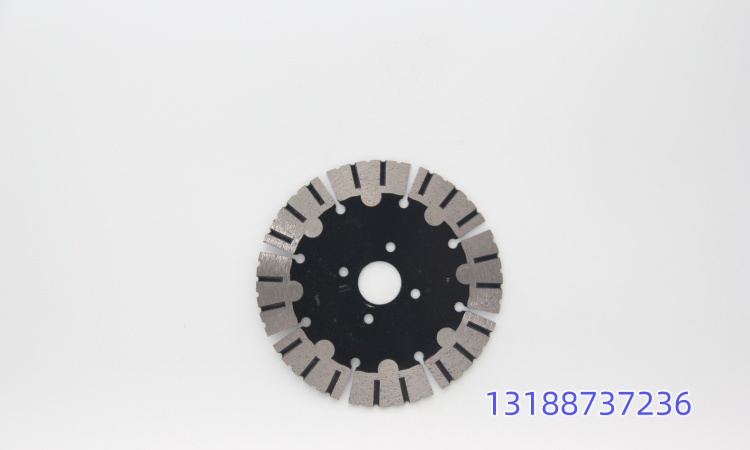
A diamond cutting disc is not just a piece of metal with some diamonds attached—it’s a precision-engineered tool where industrial-grade diamonds are embedded in a carefully formulated metal matrix. This matrix, called the bond, is designed to wear away at a controlled rate, continuously exposing fresh, sharp diamond particles as the blade cuts through hard materials.
The quality of a stone cutting saw blade depends on three critical factors: the quality of the diamonds themselves, the formulation of the bond matrix, and the precision of the manufacturing process. Cheap blades often use low-grade synthetic diamonds or inconsistent bond formulations, leading to rapid wear, poor cutting performance, and potential safety hazards.
Choosing the Right Blade for Your Material
Not all materials are created equal, and neither are granite cutting blades. Here’s a quick guide to matching your blade to your material:
- Granite and natural stone: These extremely hard materials require a blade with a softer bond. The bond needs to wear away readily to continuously expose fresh diamonds. Using a hard-bond blade on granite will result in a “glazed” blade that stops cutting effectively.
- Concrete: Fresh (green) concrete is abrasive but relatively soft. A medium-hard bond works best. For cured concrete with hard aggregate, you may need a softer bond to maintain cutting efficiency.
- Marble and limestone: These softer stones require a harder bond to prevent excessive wear. A blade that works well on granite may wear out very quickly on marble.
- Ceramic and porcelain tile: These dense materials require a continuous-rim (solid) blade for chip-free cuts. Segmented blades can cause chipping on delicate materials.
Step-by-Step Standardized Usage Procedure
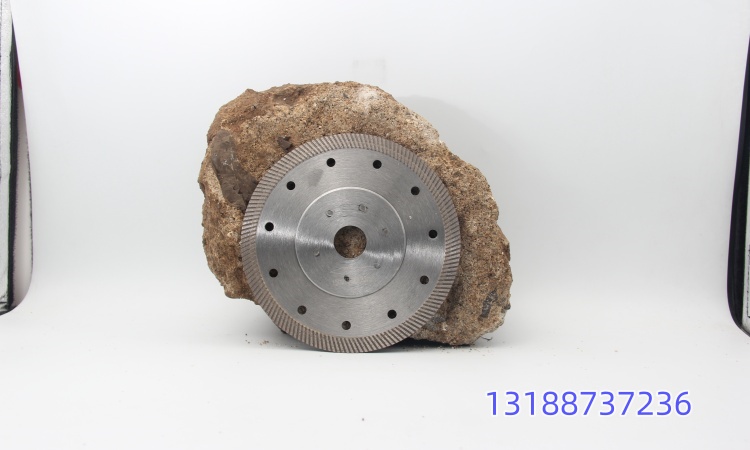
Proper operation of concrete cutting blades follows a standardized sequence that maximizes both safety and cutting performance:
Step 1 — Pre-operation inspection: Before each use, inspect the blade thoroughly. Check that the segments are evenly worn, the steel core is free of cracks, and the arbor hole is not worn or damaged. A damaged blade must never be mounted.
Step 2 — Proper mounting: Ensure the blade rotates in the correct direction (arrows on the blade core indicate rotation direction). Tighten the arbor nut to the manufacturer’s specified torque—overtightening can warp the flange, while undertightening can cause the blade to come loose during operation.
Step 3 — Breaking in a new blade: New blades have a smooth diamond exposure surface. Make 2–3 shallow cuts in a soft material (like limestone or soft brick) to “seat” the blade. This gradually exposes the diamonds and prevents uneven wear. Skipping this step can reduce blade life by 20–30%.
Step 4 — Controlled cutting: Let the blade do the work. Apply steady, moderate pressure and allow the weight of the machine (or your guided hand pressure) to feed the cut. Forcing the cut generates excessive heat, which can damage the steel core and cause segment loss.
Wet Cutting vs. Dry Cutting
Concrete cutting blades are available in both wet and dry variants. Here’s when to use each:
Wet cutting: Always preferred when water is available. Water serves three critical functions: cooling the blade to prevent overheating, lubricating the cut to reduce friction, and flushing away cuttings to prevent recutting. Wet cutting can extend blade life by 2–3 times compared to dry cutting.
Dry cutting: Acceptable for occasional use or when water isn’t available. However, you must allow the blade to cool periodically. Never force a dry-cut blade continuously—let it air-cool every 30–60 seconds of cutting. Also, always use proper dust collection, as dry cutting generates significant crystalline silica dust, which is a serious health hazard.
Maximizing Blade Lifespan
Even premium hot-pressed diamond blades will underperform if not used correctly. Follow these proven strategies to get the most from your blades:
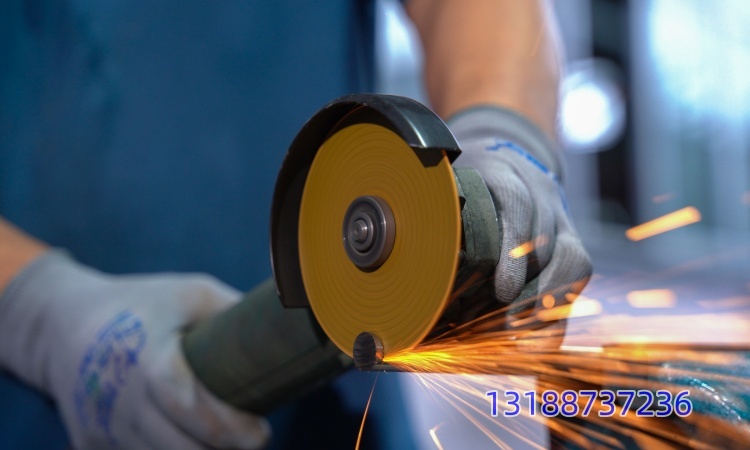
Correct feed pressure: Let the blade do the work. Forcing the cut generates excessive heat, which can damage the steel core and cause segment loss. A simple rule: if you see continuous sparks during cutting, you’re applying too much pressure. Those sparks indicate the steel core is overheating, not that the blade is cutting effectively.
Adequate cooling: For wet cutting applications, ensure water reaches both sides of the blade. A common mistake is directing water only at the top of the cut—you need water flowing through the entire cut zone. Insufficient water is the #1 cause of premature blade failure.
Regular inspection routine: Before each use, inspect the blade thoroughly: check segment wear (replace when segment thickness reaches 1/8 inch or less), look for cracks in the steel core, check for loose or missing segments, and roll the blade on a flat surface to check for warping.
Common Mistakes That Ruin Blades
- Using the wrong blade for the material: A blade designed for concrete will cut poorly and wear rapidly on granite. Always match the blade to your specific material.
- Cutting at an angle: Always maintain a straight, perpendicular cutting line. Twisting the blade in the cut creates side stress that can warp the core or cause segment loss.
- Insufficient water: This is the leading cause of premature blade failure in wet cutting applications. Invest in a proper water supply system—it pays for itself in extended blade life.
- Storing blades improperly: Store blades vertically in a dry environment. Stacking blades horizontally can cause warping over time, while high humidity can lead to rust formation on the steel core.
- Ignoring unusual vibrations: Unusual vibrations often indicate an improperly mounted blade or worn arbor bearings. Address this immediately to prevent accidents.
At Shandong Huada Ginkgo New Material Co., Ltd., we understand that the right cutting tool and the right operating procedure together make the difference between a successful project and a costly failure. That’s why we’ve invested years in perfecting both our diamond tool manufacturing process and the usage guidelines we provide to our customers. Our segmented diamond blades are trusted by contractors and fabricators worldwide for their consistent quality, exceptional durability, and competitive pricing.
Shandong Huada Ginkgo New Material Co., Ltd.
We are a professional manufacturer specializing in diamond saw blades, stone cutting tools, and construction cutting solutions. With years of industry experience and advanced manufacturing facilities, we serve customers worldwide with high-quality products and reliable OEM/ODM services.
📞 Contact: +86 13188737236 (WeChat available)

Ginkgo
Ginkgo