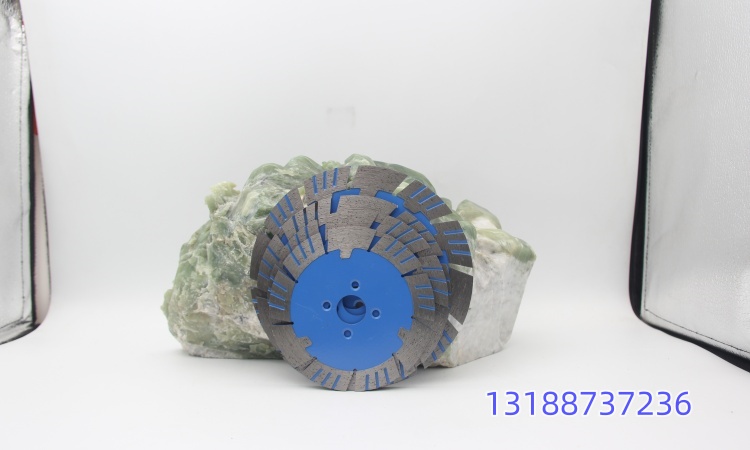
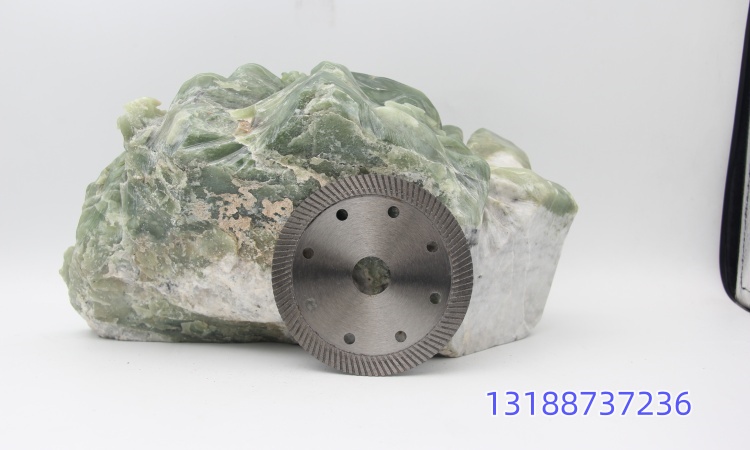
Diamond saw blades are indispensable tools in stone processing, construction, and metal cutting. However, many users find that blades wear out much faster than expected, leading to frequent replacements and rising costs. In fact, through scientific operating methods and routine maintenance, the service life of diamond saw blades can be significantly extended. This article shares 10 proven practical tips to help you maximize blade performance.
1. Proper Installation Is the First Step to Extended Life
Improper installation directly leads to wobble, vibration, and abnormal wear. The correct installation process includes: ensuring the flange is clean and free of debris, using matching flange specifications, installing in the indicated direction (the arrow on the blade should match the machine’s rotation direction), and evenly tightening the nut. After installation, always run idle for 30 seconds to check for abnormal vibration or noise.
Shandong Huada Jinke (Huada Jinke) produces diamond saw blades with clear installation direction markings — users should inspect carefully during installation.
2. Control Cutting Speed and Feed Force
Excessive pressure and overly fast feed are the primary causes of premature blade failure. Each blade type has its optimal operating speed and feed rate; exceeding these ranges will lead to excessive diamond particle fragmentation or premature matrix wear. General principle: for hard materials (granite, concrete), appropriately reduce feed speed; for softer materials (marble, limestone), you can moderately increase speed while maintaining stability.
3. Make Full Use of Coolant/Water Cooling
Diamond saw blades generate substantial heat during high-speed cutting. If heat dissipation is insufficient, the matrix metal may undergo thermal deformation, and diamond particles may graphitize at high temperatures, losing cutting capability. Water cooling is the most cost-effective cooling method. For wet cutting, it is recommended to continuously supply ample water flow. For dry cutting scenarios, cut in segments with natural cooling intervals between each segment.
4. Avoid Cutting Incompatible Materials
Diamond saw blades with different formulations are suitable for different materials. General-purpose blades are not universal — using granite-specific blades to cut metal, or concrete blades for marble, will accelerate wear and may even cause safety incidents. When choosing a blade, carefully review product specifications and select a model matching the material to be processed. Huada Jinke offers a full range of blades covering granite, marble, concrete, tile, and more — contact us for selection guidance.
5. Regularly Clean Blade Surface and Gullets
During cutting, debris gradually accumulates on the blade surface and in gullets. These debris not only reduce cutting efficiency but also increase frictional heat. It is recommended to clean the blade with a wire brush or specialized cleaner every 2-4 working hours, especially removing deposits from gullets. For resin-bonded blades, gently tap with a soft metal rod to remove attachments.
6. Proper Storage to Prevent Deformation and Corrosion
The storage environment of the blade directly affects its condition for the next use. Follow these principles: store flat or hang vertically, avoid leaning that causes deformation; store in a dry, well-ventilated area to prevent rust; keep away from acidic or alkaline chemicals; when stacking multiple blades, place soft spacers between them. For blades not used long-term, apply rust-preventive oil for protection.
7. Periodically Check Blade Wear Condition
Establishing a routine inspection system is the core of preventive maintenance. Key points to check: whether segment heights are uniform, whether the matrix has cracks or chips, whether the core is deformed or shows fatigue marks. Any abnormality should prompt immediate stoppage and replacement. Continuing to use a damaged blade not only results in poor cutting quality but may also cause safety incidents.
8. Properly Match Equipment to Blade Specifications
Mismatch between the blade bore and equipment spindle leads to mounting eccentricity and severe vibration. Always ensure the blade’s inner bore diameter matches the cutting machine’s spindle diameter, using adapter washers if necessary. Additionally, the blade’s outer diameter must be within the equipment’s allowable range — exceeding specifications may cause equipment overload or blade fracture.
9. Follow the “Break-In” Procedure for New Blades
New blades fresh from the factory may have a dense metal coating on the segment surface. It is recommended to perform a “dressing” or “break-in” operation during initial use: cut a softer material at lower feed force for about 1-2 minutes to fully expose the diamond particles. This simple step significantly improves subsequent cutting efficiency and blade lifespan.
10. Choose Reputable Brands and Quality Products
The raw material quality, manufacturing process, and quality control standards of a blade directly determine its durability. Choose ISO-certified reputable manufacturers, such as Shandong Huada Jinke New Materials Co., Ltd., whose hot-pressed diamond saw blades use premium diamond particles and high-strength matrix formulations, ensuring product longevity from the source. Inferior blades may appear cheaper per unit, but frequent replacements and low cutting efficiency result in higher overall costs.
FAQ
How long does a diamond saw blade typically last?
Service life depends on material hardness, cutting frequency, cooling conditions, and operating practices. Under normal conditions, a quality diamond saw blade has an effective cutting distance ranging from hundreds to thousands of linear meters. High-intensity construction site use may require replacement within weeks, while intermittent home use may last months or even years.
How can I tell when a blade needs replacement?
Replace when the following signs appear: segment height is more than 2mm below the core, cutting speed noticeably decreases, cut surfaces show chipping or scorch marks, blade vibration significantly increases, or segments show cracks or damage. Regular inspection can predict replacement timing in advance, avoiding impact on project quality.
Is wet or dry cutting better for protecting the blade?
Wet cutting is more conducive to extending blade life, as water cooling effectively controls cutting temperature, reduces dust, and lubricates the cutting surface. However, at sites without water access, dry cutting blades (with special formulations) can also perform well, though they require stricter operating protocols.
In summary, extending the service life of diamond saw blades not only saves costs but also improves cutting quality and construction efficiency. If you have any questions about blade selection or use, feel free to contact Huada Jinke for professional technical support.

Ginkgo
Ginkgo